Laser engraving: what the beam actually does
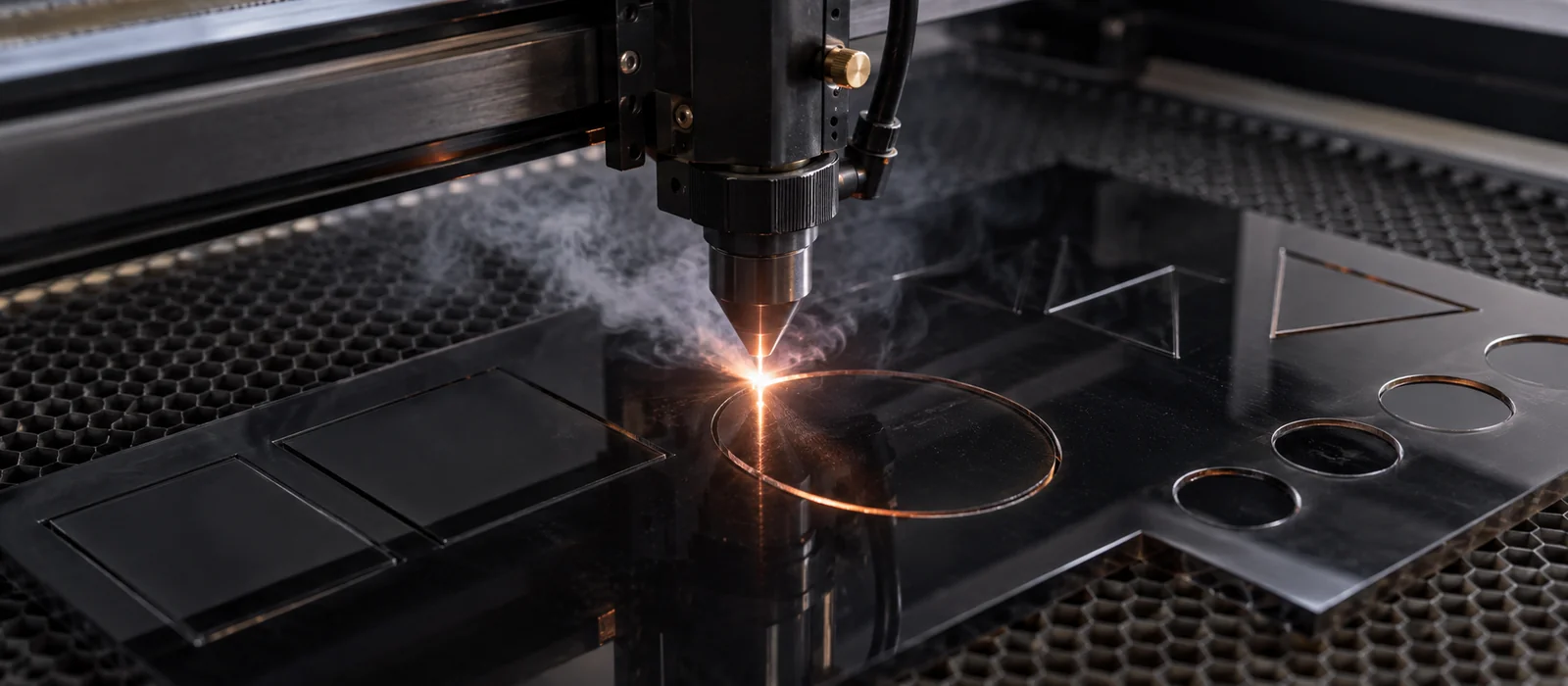
Engraving, etching, ablation and annealing are four different things a laser does to a surface. Which one you get depends on the wavelength, the power …

A reference on engraving and personalisation: laser, rotary and hand engraving, sandblasted glass, marked metals, house nameplates, statutory signage and presentation pieces.
How things get marked, and why the marking lasts
How a mark is actually made: laser, rotary, hand engraving and abrasive blasting, and what each one does to the surface it touches.
Engraving, etching, ablation and annealing are four different things a laser does to a surface. Which one you get depends on the wavelength, the power …
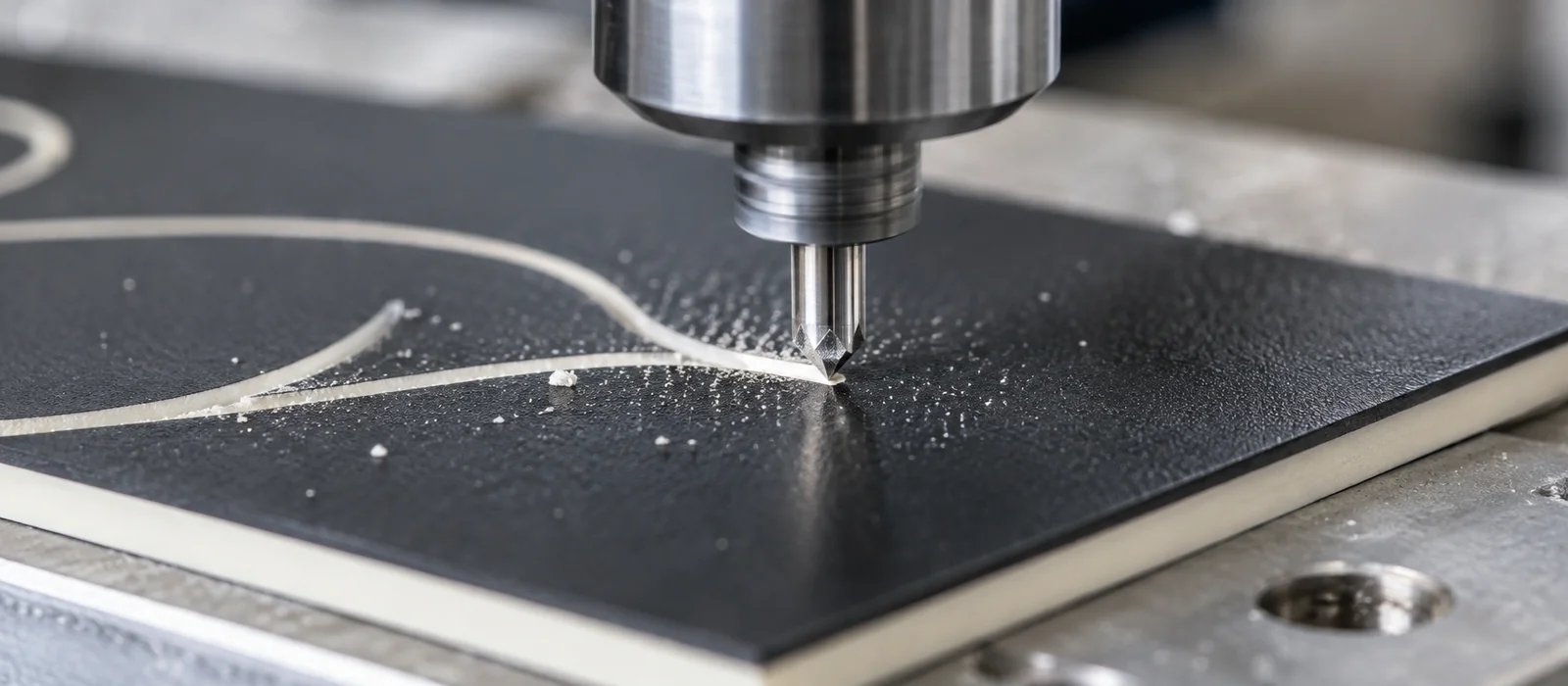
The mechanical processes: a spinning cutter that removes a chip, and a non-rotating diamond that ploughs a line. Different tools, different marks, …
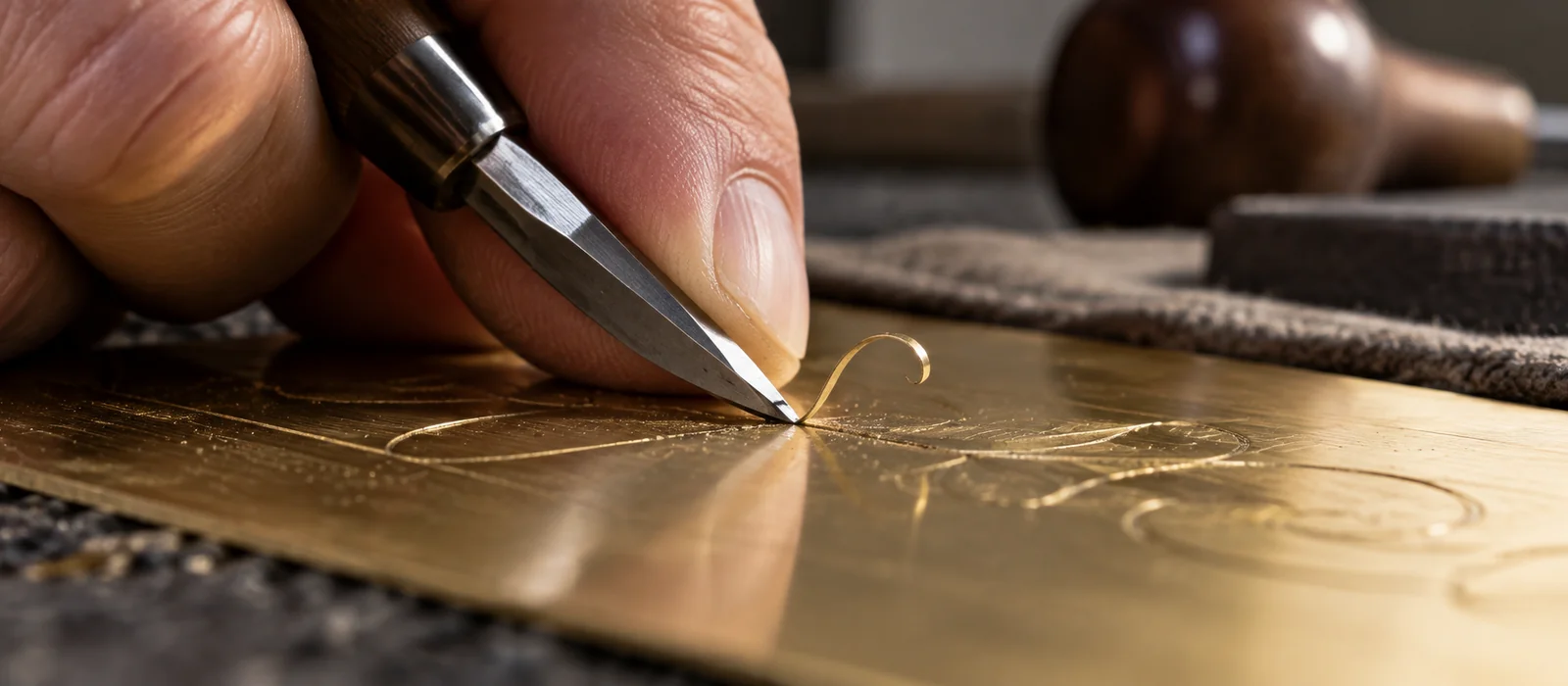
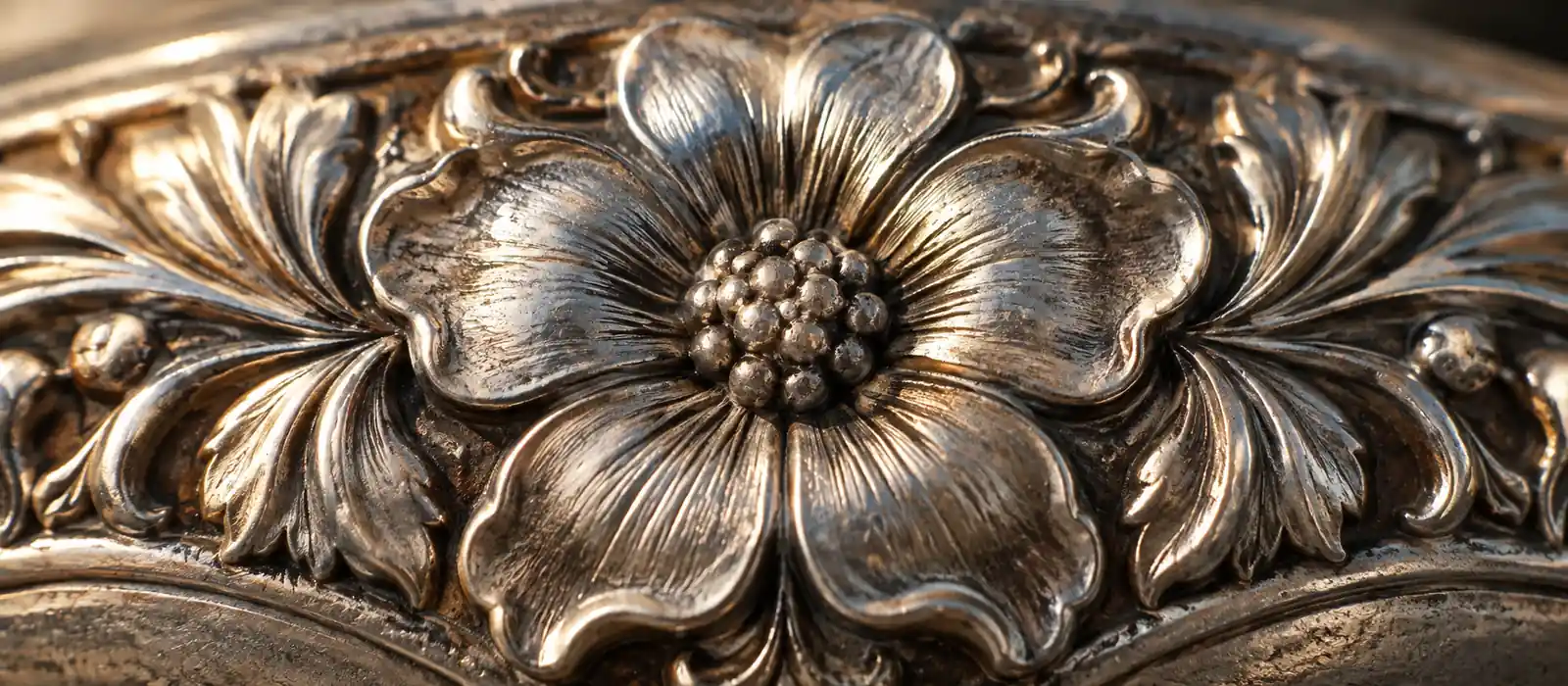
The oldest of the processes, and the only one that produces a bright cut. What a graver is, how the craft connects to goldsmithing and printmaking, …
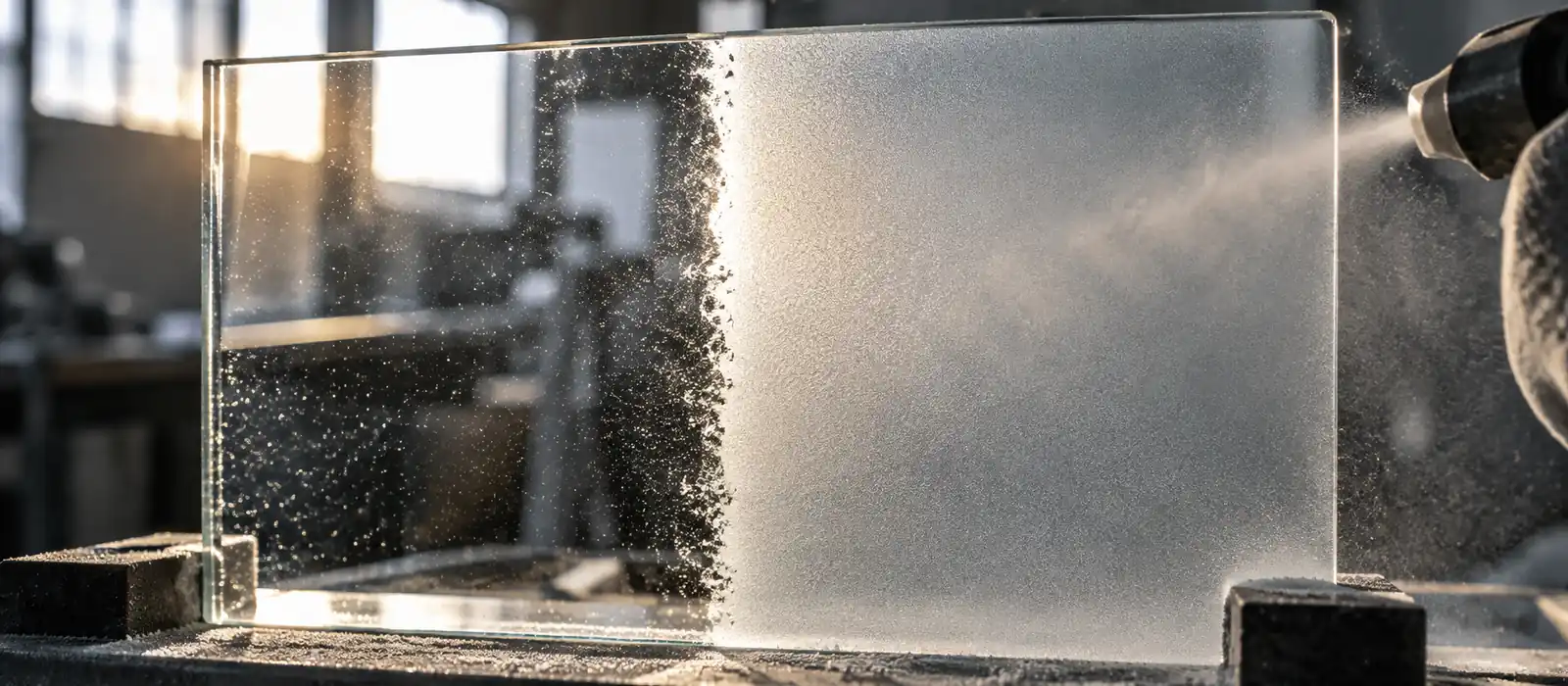
Abrasive blasting frosts glass by eroding it through a resist. It is the deepest and most controllable way to decorate glass, and the one with a …
Annealing, dye change and ablation mark metal while leaving the protective layer intact. On stainless steel and anodised aluminium that distinction is …
What gets engraved, and how each material behaves when you cut, burn or blast it.
Wheel engraving, diamond point, acid etching, blasting and cameo work — five ways of cutting glass, what each one looks like, and how to tell them …
Why silver is the engraver's material, what sterling actually means, how plate behaves differently under a graver, and where the law steps in.
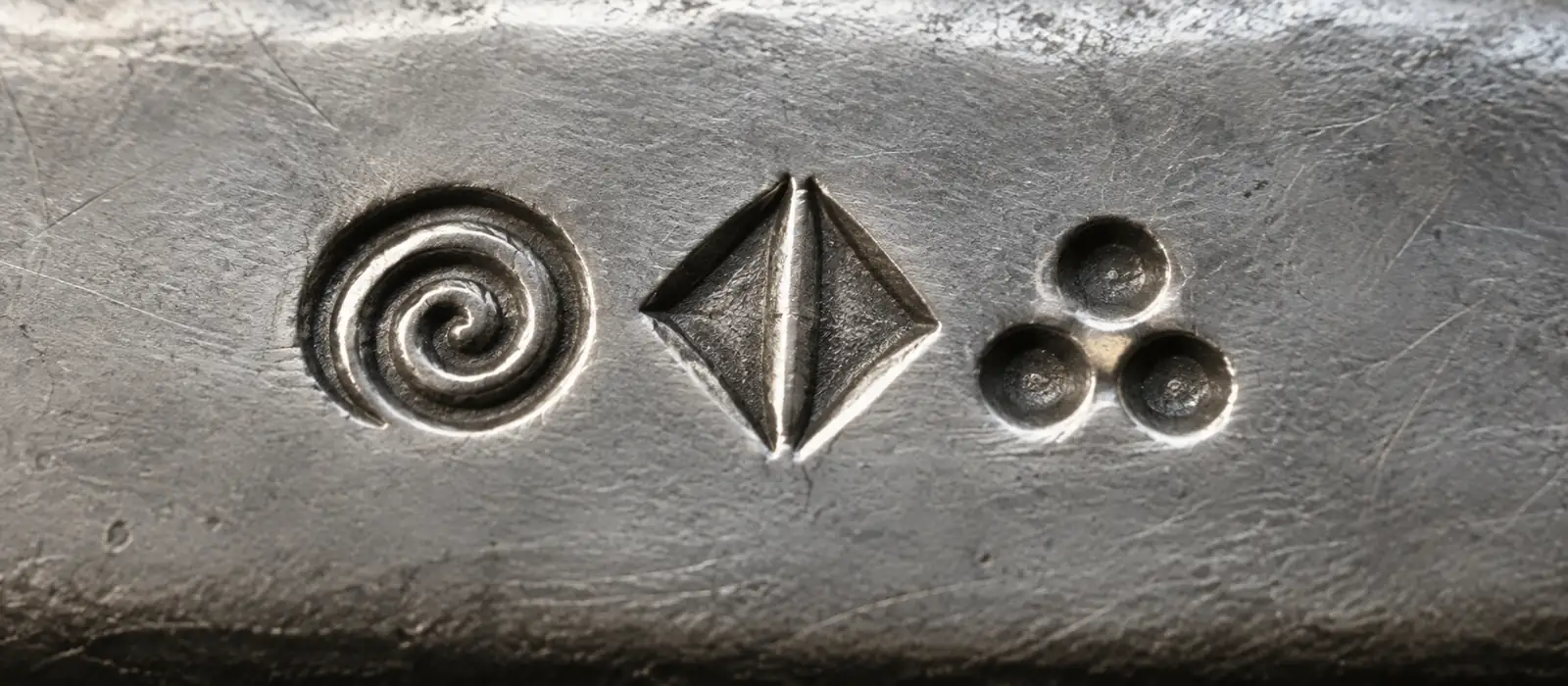
A UK hallmark is a legal declaration of fineness, not a decoration. What the three compulsory marks are, why the date letter is now optional, and what …
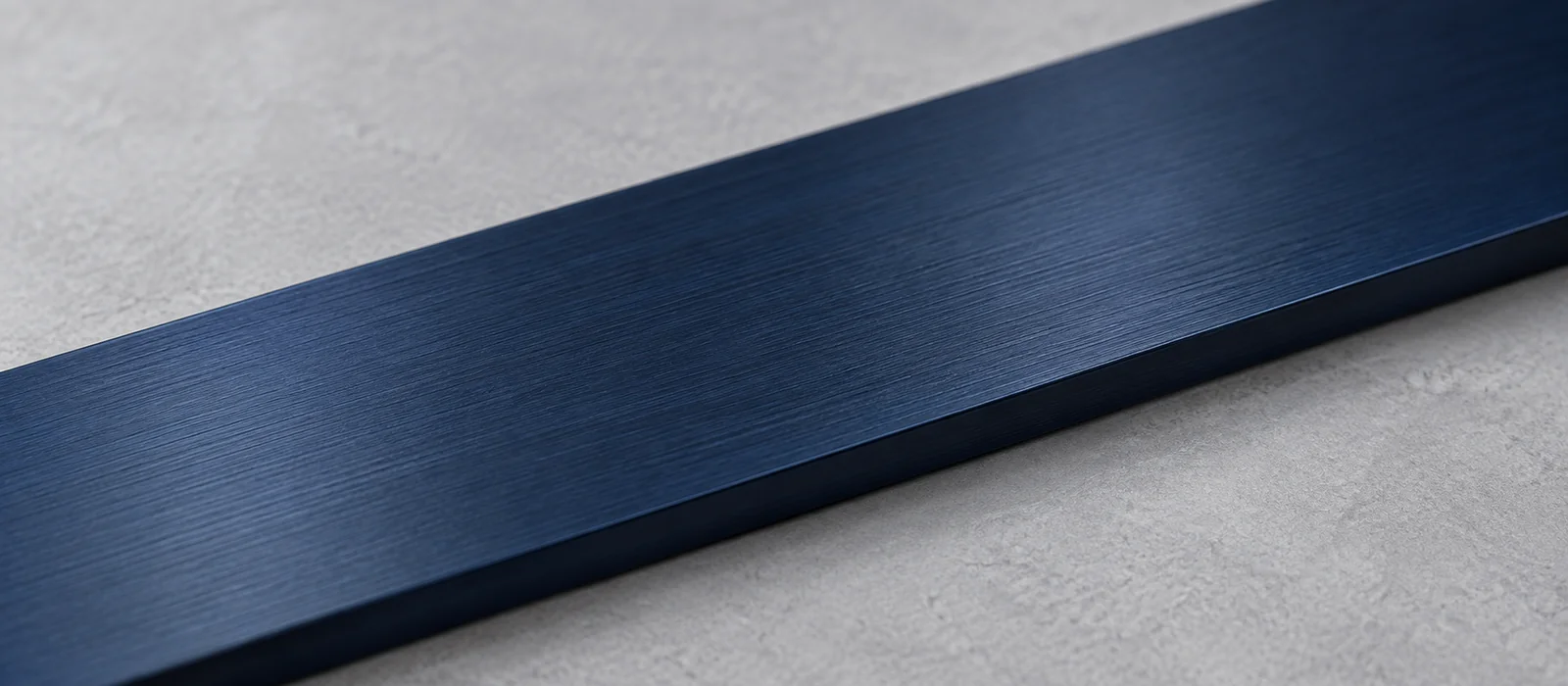
The anodic layer is a grown ceramic, not a paint. Understanding how it is formed, dyed and sealed explains exactly why some marking methods destroy it …
Stainless is not stainless by composition alone — it is protected by a self-healing passive film. Cutting through that film is the central question in …
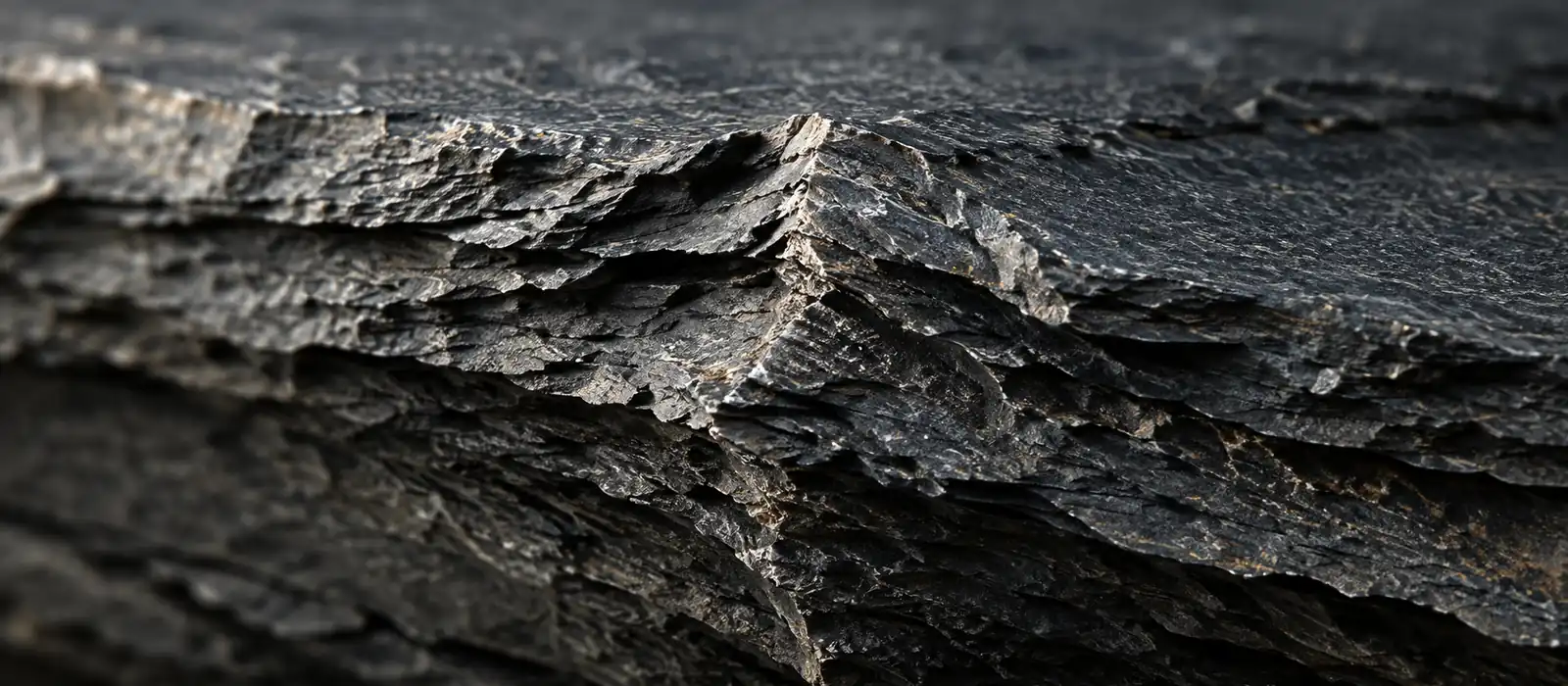
Slate is a metamorphic rock that splits into flat sheets and shrugs off weather. That combination is why it has carried outdoor lettering in Britain …
House nameplates, shop fascias, plant labelling and statutory safety signs — and the UK rules that decide what each one has to say.
Displaying your address is a legal duty in England and Wales, not a decorative choice. What the 1925 Act requires, and what actually makes a nameplate …
In England, outdoor signs are controlled by the advertisement regulations, not ordinary planning. Some displays carry deemed consent; step outside the …
The 1996 Regulations, BS EN ISO 7010 and BS 5499. What a safety sign is legally for, why it is the last control rather than the first, and which …
Plant labelling is identification, not decoration: valve tags, panel legends and pipe marking. BS 1710 sets how pipes and services are identified, and …
Door plates and room identification are where signage meets accessibility. BS 8300 sets mounting heights, contrast values and tactile requirements — …
Business gifts and awards: what makes an engraved object worth keeping, and the UK rules that sit behind corporate gifting.
Why engraved corporate gifts look the way they do is partly a design question and largely a tax one. The UK £50 rule and the advertising condition …
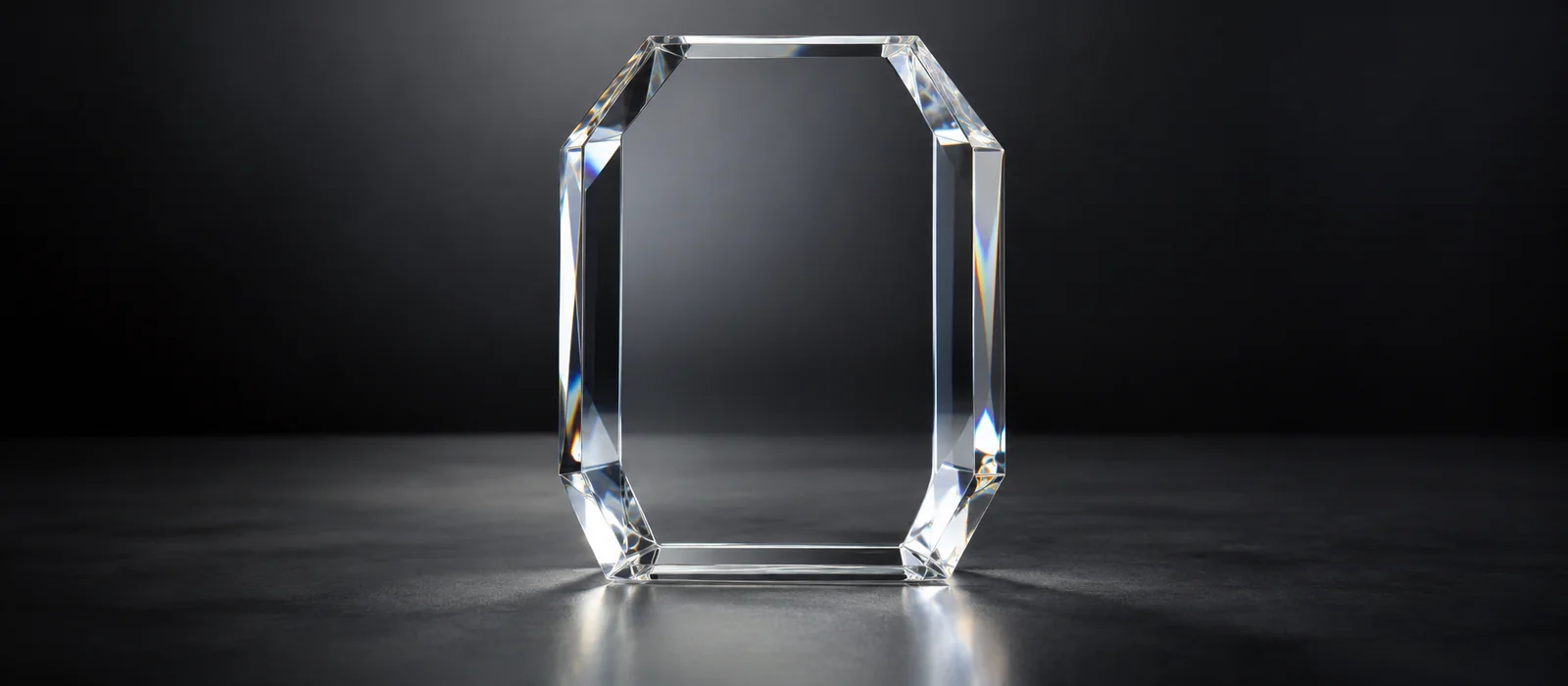
Optical crystal, silver, pewter and glass, and the sub-surface laser process that puts a three-dimensional image inside a block without touching its …
Notes on personalisation, lettering and decorating with things that carry a mark.
Five changes that account for most of the difference between a room that looks thrown together and one that looks considered — none of which involve …
Six changes that make a room specific rather than generic — most of them done in an afternoon, none of them requiring a designer.
Personality in a room comes from specificity, not from spending. What is free, what is cheap, and what you need permission for if you rent.
What is actually in use in a working shop today: fibre and CO2 lasers, rotary and diamond drag, abrasive blasting and hand work — and which jobs each …
Style in engraving is not font choice. It is the physical character of the cut — bright, ploughed, burned or eroded — and each process can only …
Flat art, relief, textile and object — four families of wall art that behave differently in a room, with a note on why tapestry was once the most …