Engraved glass and glassware
Wheel engraving, diamond point, acid etching, blasting and cameo work — five ways of cutting glass, what each one looks like, and how to tell them …
What gets engraved, and how each material behaves when you cut, burn or blast it.
A process is only half the answer. The same laser, at the same settings, produces a legible black legend on one material and an illegible grey smear on the next one along. This section is organised by substrate, because that is the variable that actually decides the outcome.
Rough grouping:
None of these pages is a catalogue. There are no prices here, and nothing on this site is for sale.
Wheel engraving, diamond point, acid etching, blasting and cameo work — five ways of cutting glass, what each one looks like, and how to tell them …
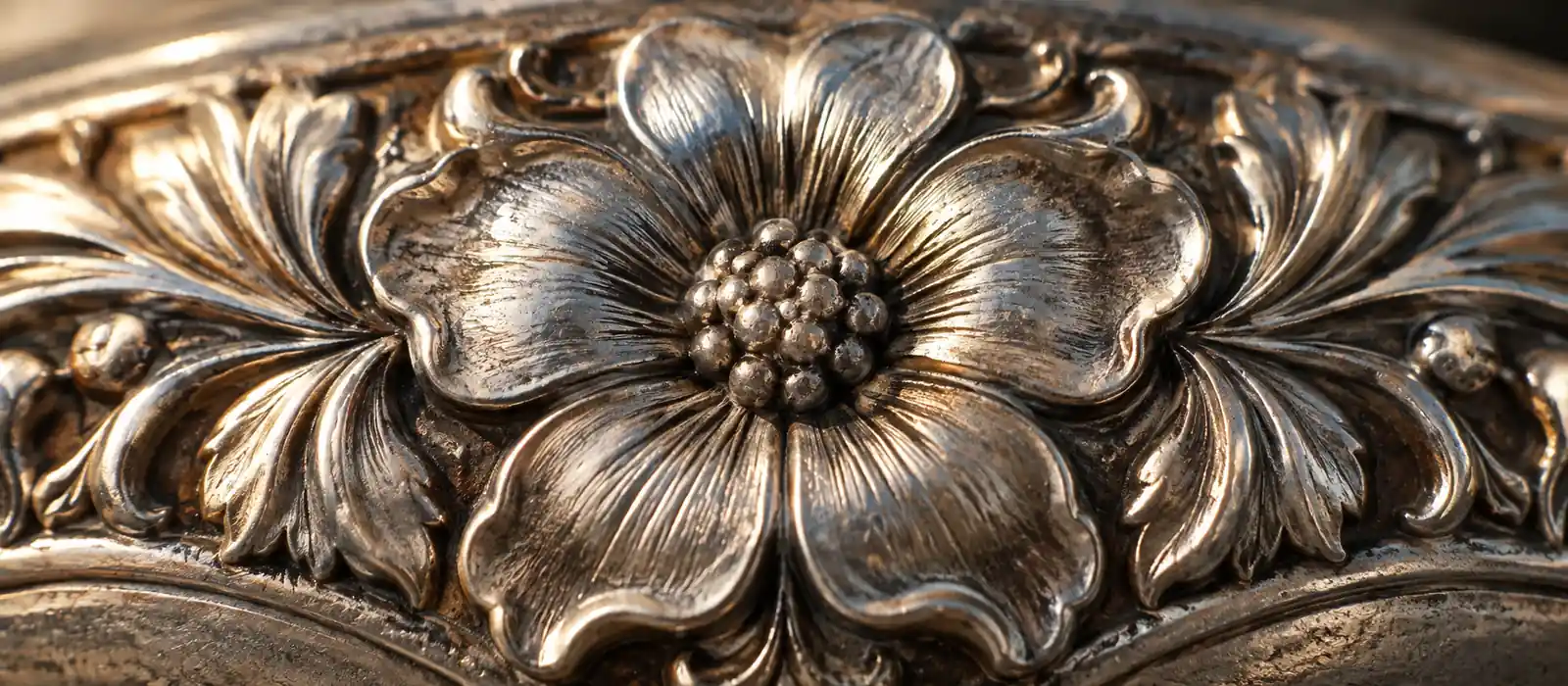
Why silver is the engraver's material, what sterling actually means, how plate behaves differently under a graver, and where the law steps in.
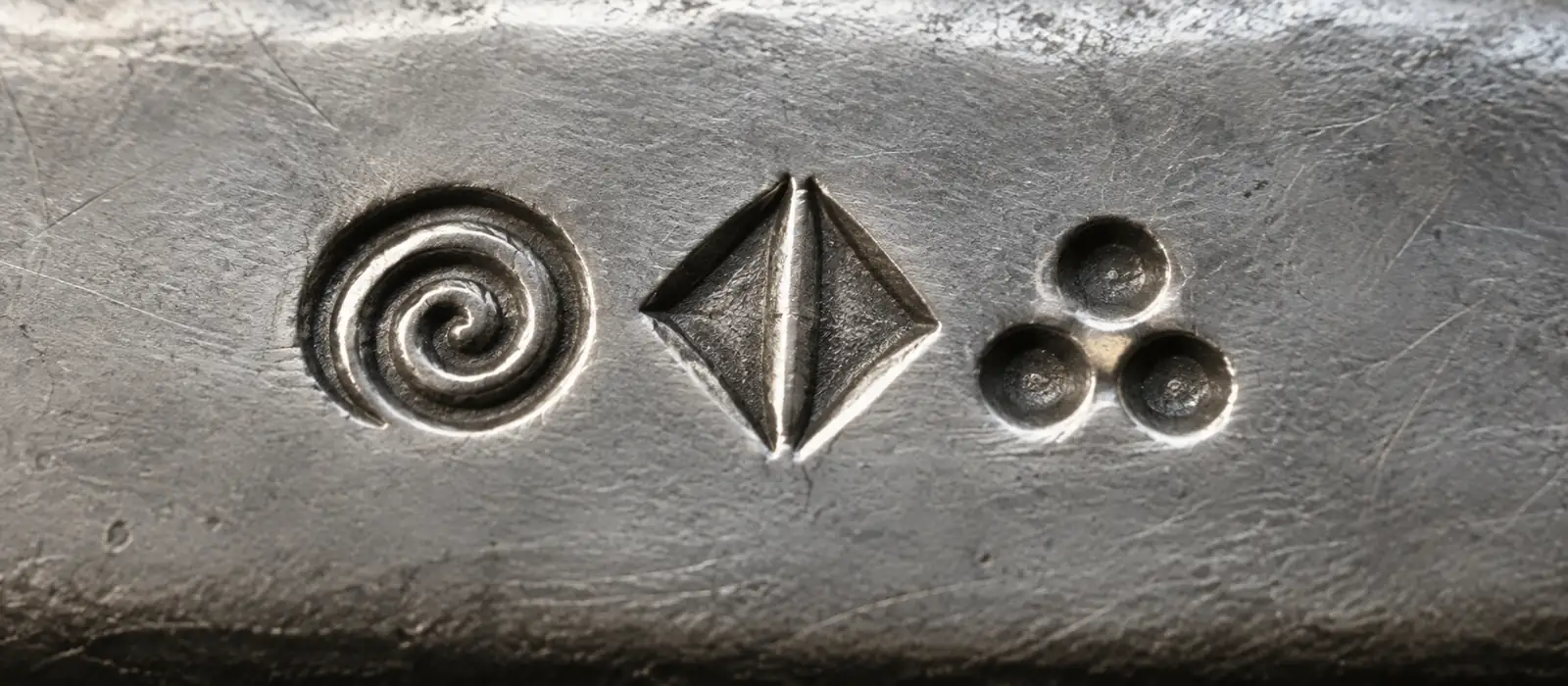
A UK hallmark is a legal declaration of fineness, not a decoration. What the three compulsory marks are, why the date letter is now optional, and what …
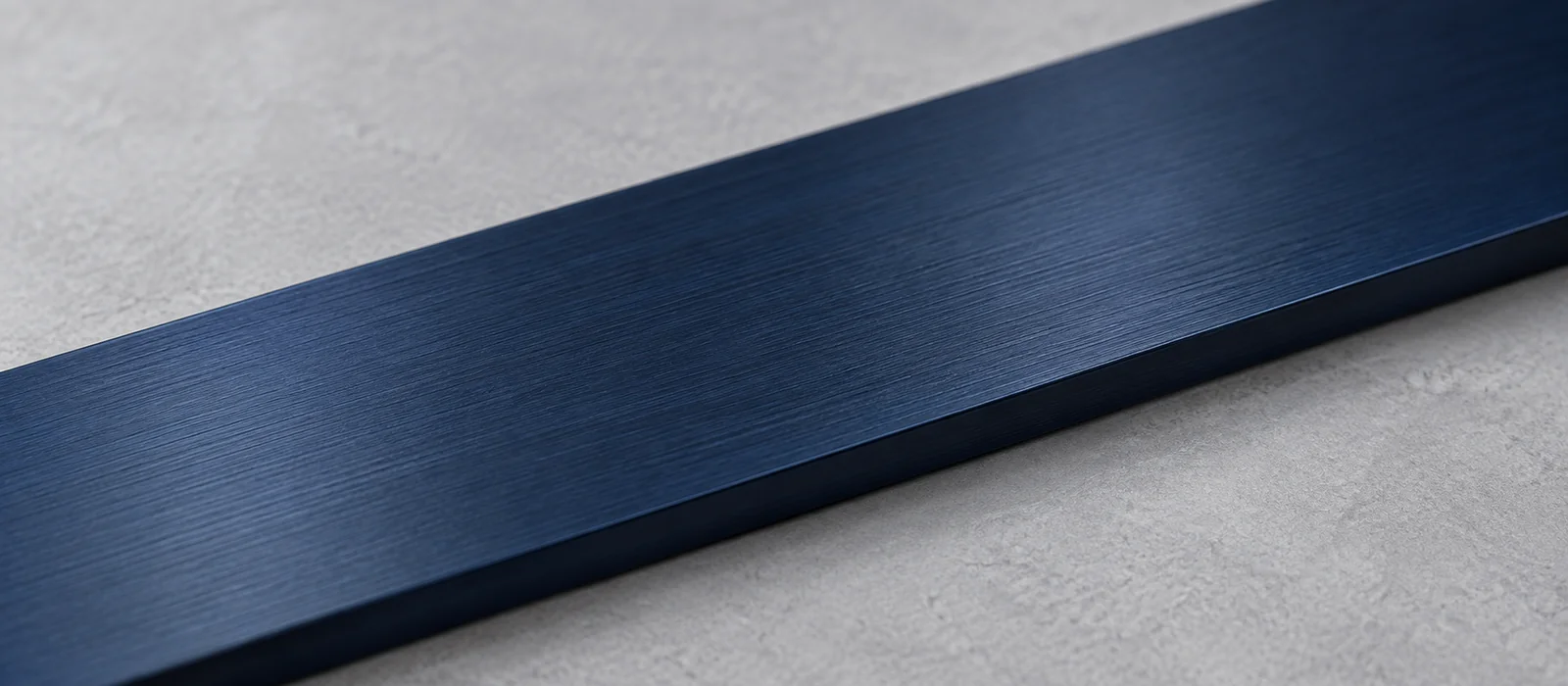
The anodic layer is a grown ceramic, not a paint. Understanding how it is formed, dyed and sealed explains exactly why some marking methods destroy it …
Stainless is not stainless by composition alone — it is protected by a self-healing passive film. Cutting through that film is the central question in …
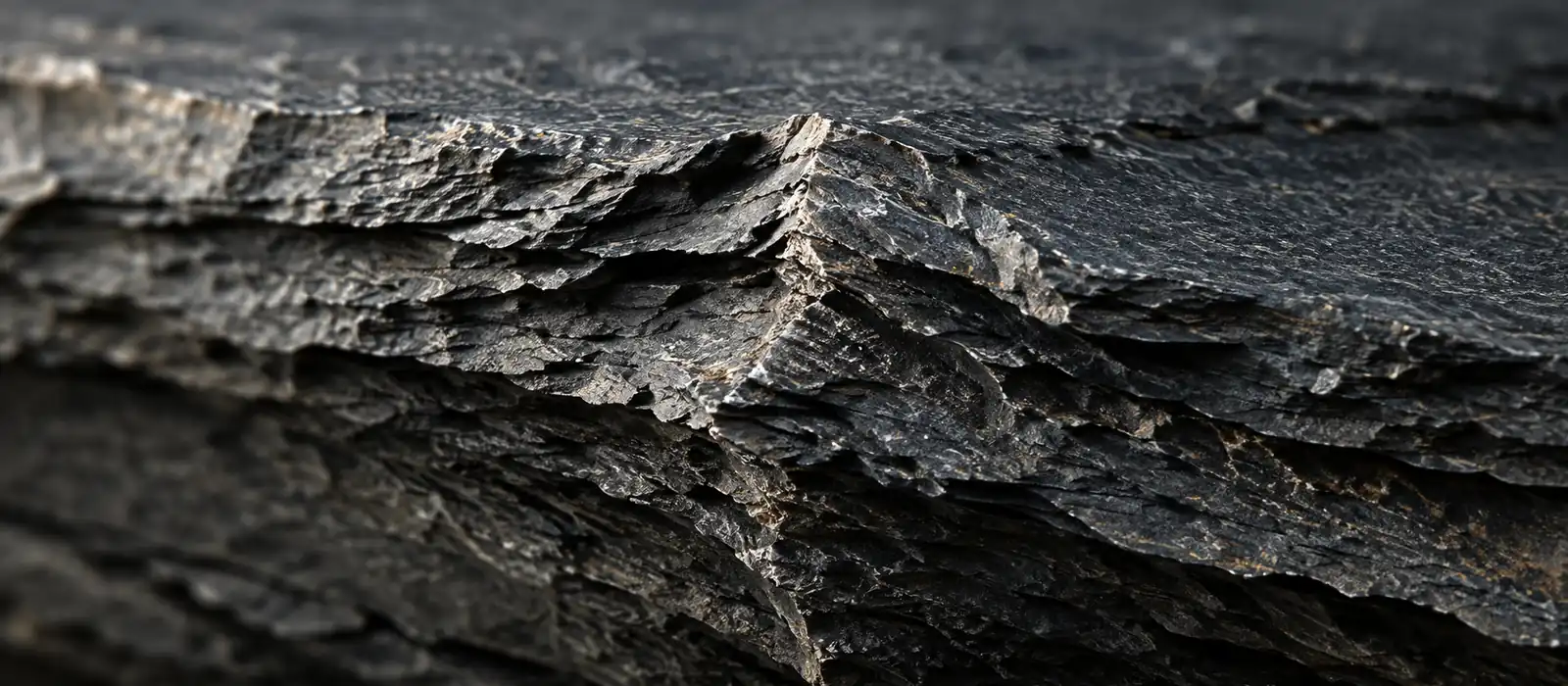
Slate is a metamorphic rock that splits into flat sheets and shrugs off weather. That combination is why it has carried outdoor lettering in Britain …
A two-layer plastic sheet where the colour of the letters is already inside the material. Cutting through the cap layer is the whole technique, and it …