Laser engraving: what the beam actually does
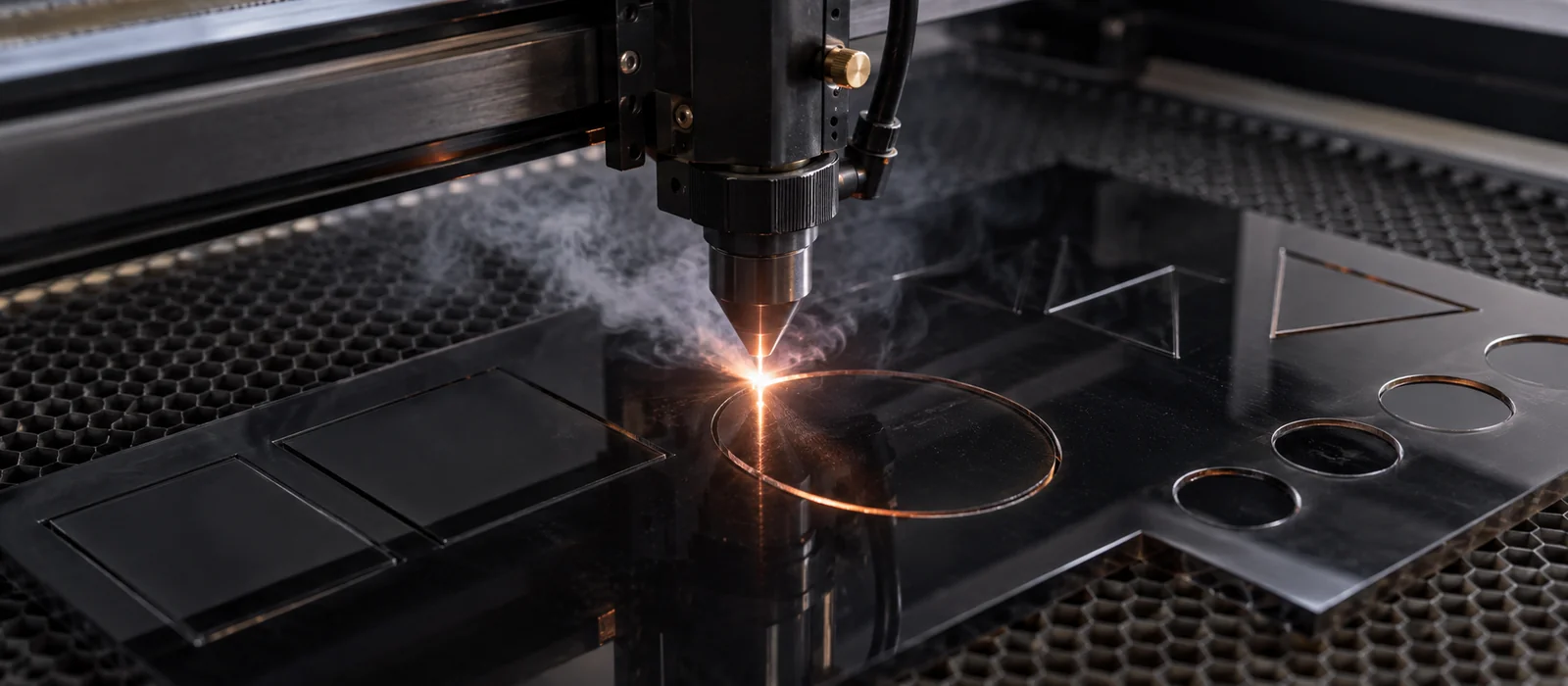
Engraving, etching, ablation and annealing are four different things a laser does to a surface. Which one you get depends on the wavelength, the power …
How a mark is actually made: laser, rotary, hand engraving and abrasive blasting, and what each one does to the surface it touches.
Four families of process cover almost everything that gets called “engraving”. They are not interchangeable. Each one damages the surface in a different way, and the way the surface is damaged decides how the mark looks, how long it survives and what it costs in time.
The pages here describe process. What the process is being done to matters just as much — that is materials.
Engraving, etching, ablation and annealing are four different things a laser does to a surface. Which one you get depends on the wavelength, the power …
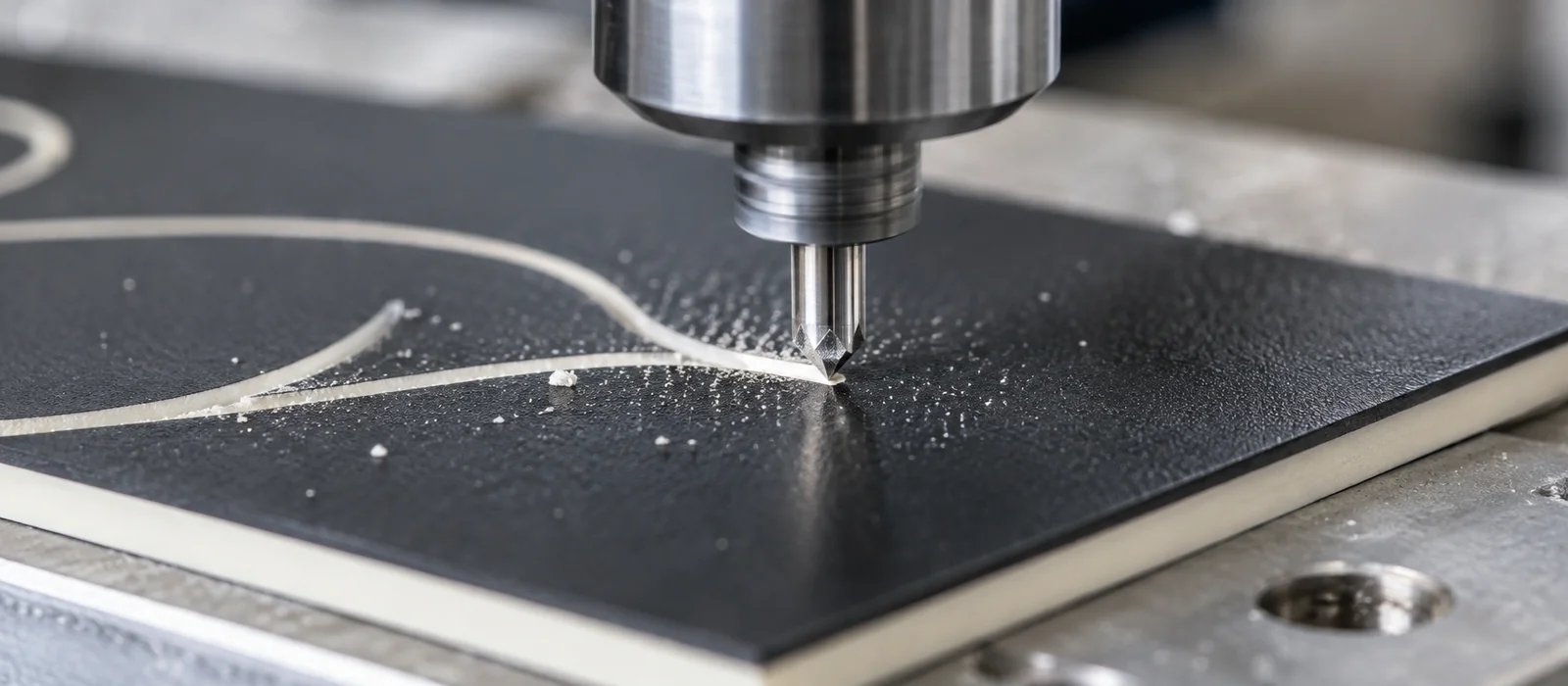
The mechanical processes: a spinning cutter that removes a chip, and a non-rotating diamond that ploughs a line. Different tools, different marks, …
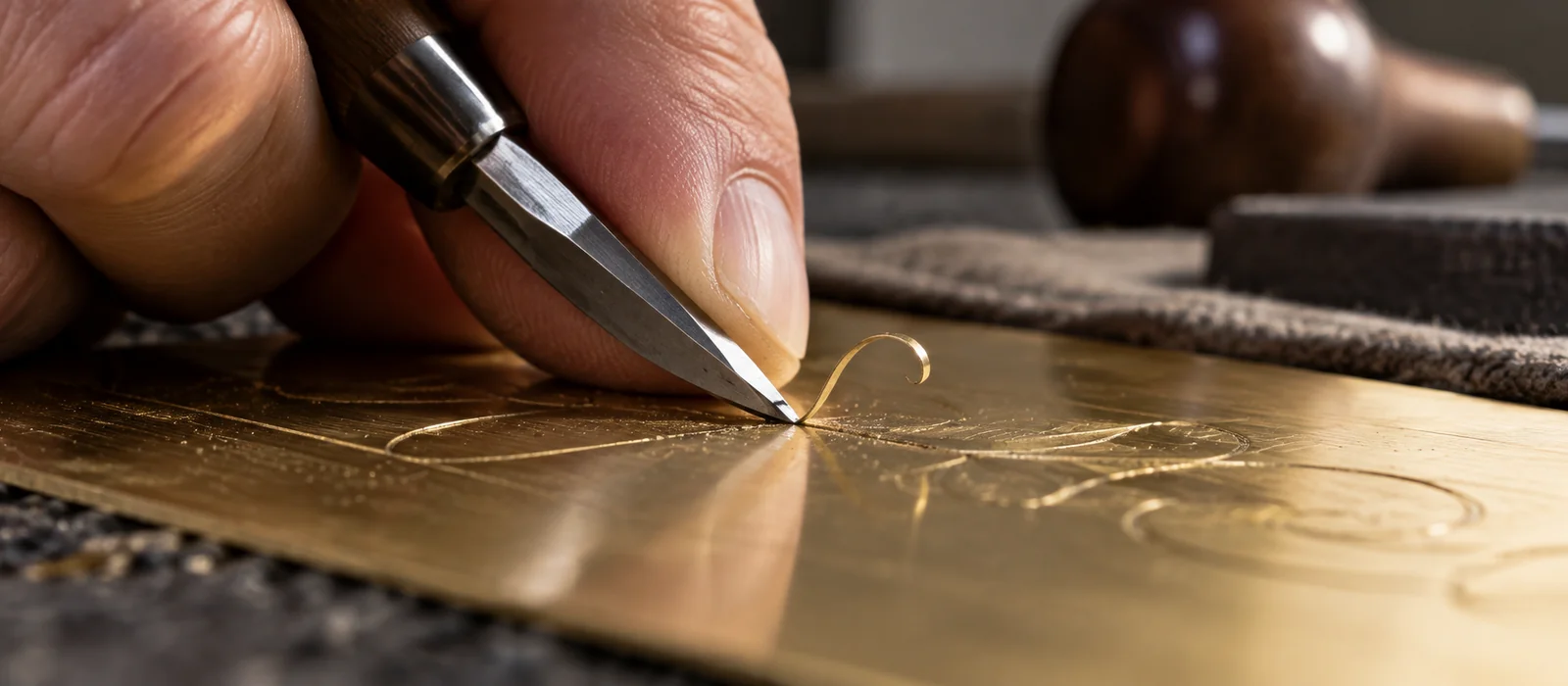
The oldest of the processes, and the only one that produces a bright cut. What a graver is, how the craft connects to goldsmithing and printmaking, …
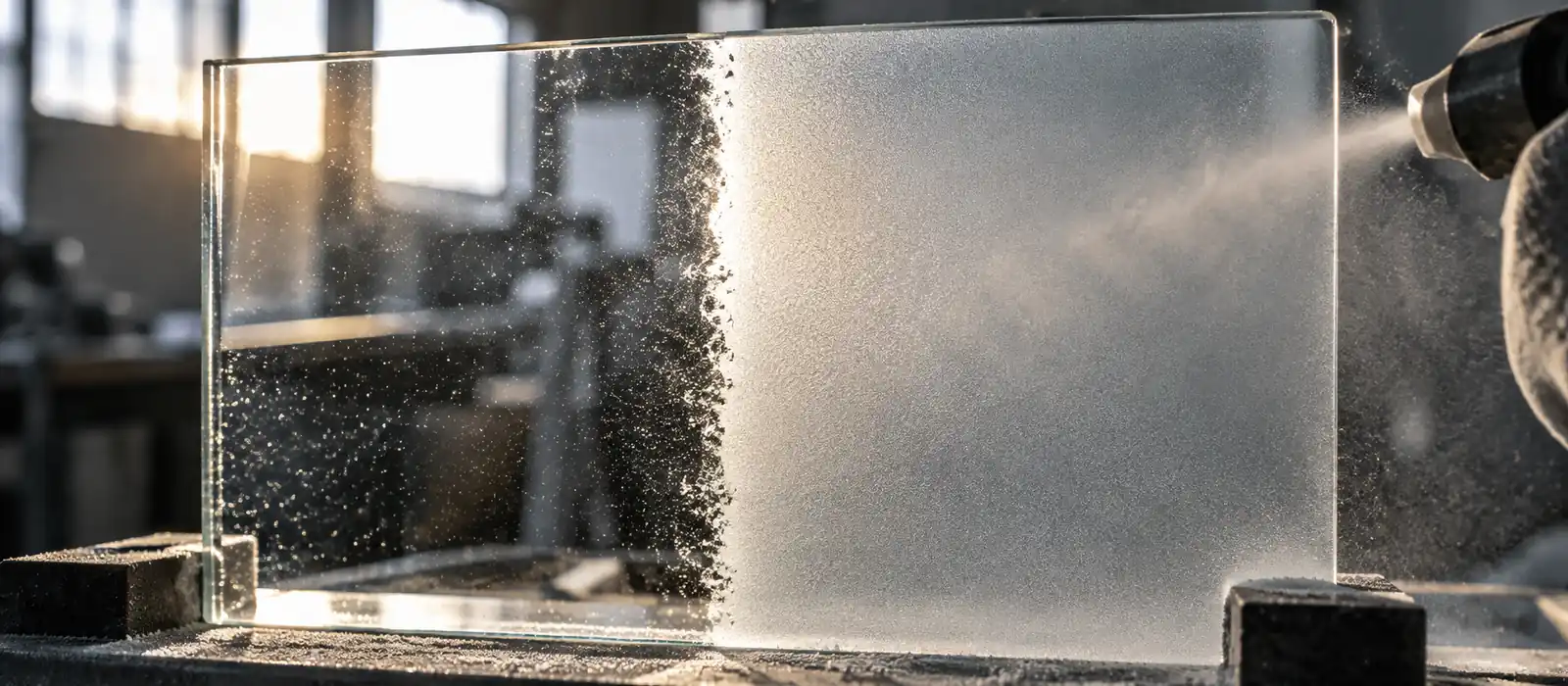
Abrasive blasting frosts glass by eroding it through a resist. It is the deepest and most controllable way to decorate glass, and the one with a …
Annealing, dye change and ablation mark metal while leaving the protective layer intact. On stainless steel and anodised aluminium that distinction is …